Introduction
A single flawed rep under a heavy barbell can derail months of progress, turning the bench press from a strength staple into a path to injury. Lifters chase bigger numbers, yet poor form leaves shoulders strained and chests underdeveloped. This happens because most skip the fundamentals, mistaking raw power for skill. The barbell bench press demands precision: scapula retracted, bar path optimized, legs driving force. Master these, and you unlock steady gains without the setbacks.
Correct bench press technique starts with setup. Lie on the bench, feet flat for stability. Grip the bar just outside shoulder width. Retrace your arch—slight, not excessive—to position your chest high. Unrack with straight arms, bar hovering over mid-chest. Lower controlled to the nipple line, elbows at 45 degrees. Press explosively back up, bar arcing slightly toward the face. This path maximizes pec activation and triceps power while sparing shoulders.
Beginners often flare elbows or bounce the bar, common errors that sap strength and risk tears. Pros refine grip and pause reps for control. Whether you're learning how to properly do the bench press or refining your bench press technique, this guide breaks it down. Expect step-by-step cues, pro tips, and fixes for pitfalls. Apply them, and watch your numbers climb safely. Strength follows form.
Understanding the Bench Press Fundamentals
Grip and Hand Placement
Grip width sets the tone for the entire lift. Position hands slightly wider than shoulders—thumb's length outside for most. This balances chest and triceps recruitment. A too-wide grip stresses shoulders; too-narrow shifts load to arms. Close your thumbs around the bar for security. Knuckles point up at unrack. Consistent grip ensures repeatable bar path in every barbell bench press session.
Foot Position and Leg Drive
Feet flat on the floor, directly under knees, create a stable base. Drive through heels to press the floor away, transferring power upward. Without leg drive, upper body isolates inefficiently. Angle feet out 10-20 degrees if ankles limit depth. This foundation amplifies force in correct bench press technique.
Scapular Retraction and Bench Arch
Pull shoulder blades together and down, creating a natural arch. Chest rises; shoulders stay protected. Avoid excessive bridging that shortens range or strains low back. A moderate arch shortens the bar's travel distance, aiding heavier loads safely.
Step-by-Step Guide: How to Properly Do the Bench Press
Step 1: Setup and Unracking
Center the bar over your mid-chest. Take a deep breath, brace core. Straighten arms to unrack, spotting partner or safety bars ready. Bar starts directly above nipples. Maintain scapular position—no shrugging.
Step 2: The Descent
Lower the bar slowly—two seconds minimum. Elbows tuck to 45 degrees from torso. Touch bar lightly to chest without bouncing. Keep wrists straight, forearms vertical at bottom.
Step 3: The Press
Drive legs into floor simultaneously. Press bar up, exhaling forcefully. Follow a J-curve path: straight down, arcs forward over shoulders at lockout. Fully extend arms without hyperextending elbows.
Step 4: Reracking
After lockout, rotate bar ends toward hooks. Control the motion; don't fling it. Rest 2-3 minutes between heavy sets.
Key Muscles Worked and Biomechanics
Primary Movers: Pecs, Triceps, Front Delts
Pectoralis major powers the horizontal press. Triceps extend elbows. Anterior deltoids assist. Proper form targets pecs maximally, as EMG data confirms peak activation at mid-range.
Stabilizers and Supporting Muscles
Latissimus dorsi and rhomboids hold scapula. Core braces against bar load. Serratus anterior protracts scapula on ascent. Weak stabilizers limit max lifts.
Force Vectors and Bar Path
The optimal path resists gravity efficiently. Descent vertical; ascent forward 6-8 inches. This shortens mechanical disadvantage, boosting output 10-20% over straight-line pressing.
Advanced Bench Press Technique Tips
Pause Reps for Strength
Hold bar on chest one second before pressing. Builds explosive power off dead stop. Use for 70-85% max, 3-5 reps. Eliminates momentum cheating.
- Enhances starting strength
- Improves control
- Reduces injury risk
Adjustments for Body Types
Long-armed lifters widen grip slightly, use fuller range. Short torsos benefit from higher arches. Test variations to find your efficient groove.
Incorporating Tempo and Volume
Slow eccentrics (4 seconds down) hypertrophy pecs. Pair with 3-4 sets of 8-12 reps. Cycle heavy days with volume for balanced progress.
Common Bench Press Mistakes and Fixes
Elbow Flaring and Shoulder Strain
Elbows at 90 degrees overload rotator cuffs. Fix: Tuck to 45 degrees. Strengthen with face pulls. Result: Pain-free heavier presses.
Bouncing the Bar and Partial Reps
Bouncing absorbs force via stretch reflex, not muscle. Full range builds complete strength. Cue: Touch and pause.
Improper Breathing and Core Bracing
Hold breath during rep—Valsalva maneuver stabilizes spine. Exhale at top. Loose core invites back arch collapse.
- Inhale pre-descent
- Brace like punch incoming
- Never hold breath entire set
Neglecting Leg Drive
Feet up equals upper-body only lift. Plant and push—adds 20-30 pounds instantly for many.
Progression and Programming Advice
Beginner to Intermediate Progression
Start 3x5 at 60% max. Add 5 pounds weekly. Deload every 4 weeks. Track form via video.
Overcoming Plateaus
Switch to close-grip or incline variants. Add chains for variable resistance. Rest 72 hours between sessions.
Safety Equipment and Spotter Use
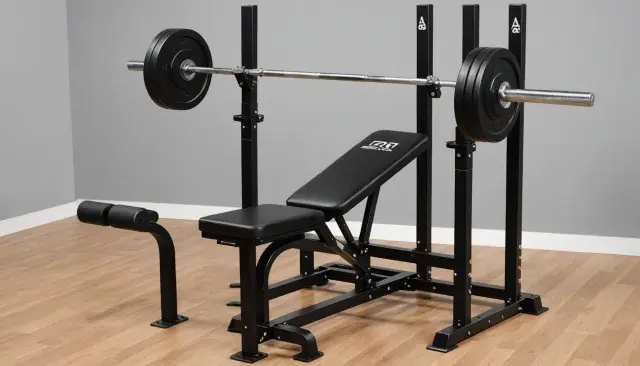
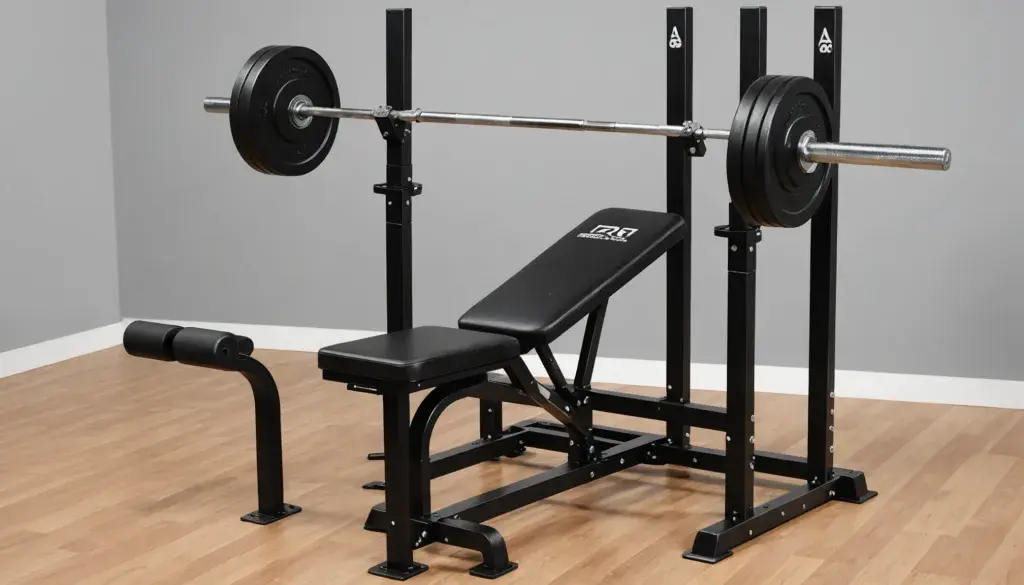
Power rack with pins essential. Collars on bar. Spotter hands under bar at chest level. Solo? Use pins at sticking point.
How much can a beginner bench press?
Average untrained male benches bodyweight; females 0.5-0.75 bodyweight. Build via linear progression: three sets weekly, adding weight each session until stalled.
What's the difference between barbell and dumbbell bench press?
Barbell allows heavier loads, stabilizes path. Dumbbells demand more stabilization, fix imbalances, fuller range. Alternate for complete development.
Should I arch my back during bench press?
A moderate arch is standard—protects shoulders, shortens range. Excessive lifts butt off bench; disqualifies in powerlifting. Keep glutes down, feet planted.
How often should I bench press?
Twice weekly for most, with 48-72 hours recovery. Beginners once; advanced up to four with variation. Monitor fatigue and soreness.
Why do my shoulders hurt during bench press?
Usually from flaring elbows or poor scapular position. Strengthen rear delts/rotators, tuck elbows, retract blades. Consult PT if persistent.
Can women use the same bench press technique?
Yes—form universal, loads scaled to strength. Women often have greater hip stability; focus same cues. Expect proportional gains.