


Imagine walking into your workplace or home and feeling completely at ease, knowing that every possible precaution is in place to keep you safe from the devastating effects of fire. Sounds ideal, right? Yet, the reality is that thousands of fires break out each year, causing loss of life, injuries, and billions in property damage worldwide. Fire safety isn’t just a bureaucratic checklist or a box to tick during inspections—it’s a vital, ongoing commitment that protects what matters most. Whether you’re a homeowner, business operator, or facility manager, understanding the nuances of fire protection and fire safety systems is crucial.
Why Fire Safety Demands Your Attention
Despite advances in technology, fire hazards remain a persistent threat due to factors like human error, electrical faults, and even natural causes. This means that relying on luck or outdated safety measures can have catastrophic consequences. The complexity of modern buildings and the materials used today only add layers of risk, making it essential to invest in comprehensive fire extinguishing and suppression strategies.
But here’s an interesting twist: in our increasingly digital lives, many people have questions about seemingly unrelated topics like how can i bet on cricket online, which might seem worlds away from fire safety. Yet, both areas share a common thread—risk management. Just as you wouldn’t place a bet without understanding the game, you shouldn’t overlook how fire protection systems work to reduce risks before disaster strikes.
From Detection to Response: The Anatomy of Fire Safety Systems
At the heart of fire safety is a suite of integrated solutions designed to detect, alert, suppress, and extinguish fires swiftly and effectively. These systems are not one-size-fits-all; they vary greatly depending on the environment, whether it’s a residential building, a commercial complex, or an industrial plant.
- Fire detection: Smoke alarms and heat detectors serve as the first line of defense, signaling danger early enough to allow evacuation and response.
- Fire suppression: Automatic sprinklers, gas-based systems, and foam suppressors actively work to control or extinguish flames before they spread.
- Fire extinguishing: Manual tools like extinguishers and fire hoses empower trained personnel and occupants to tackle small fires directly.
- Security systems: Modern fire safety often integrates with broader security frameworks, enhancing surveillance, access control, and emergency communication.
Without these layers working in harmony, the chances of fire escalating are significantly higher. And it’s not just about equipment—the training, maintenance, and regular inspections play equally important roles in ensuring these systems perform flawlessly when seconds count.
Protecting Lives and Assets: The Real Impact of Fire Protection
When a fire breaks out, the immediate goal is to save lives. But what follows is the preservation of property and continuity of operations. Businesses, in particular, face enormous risks from fire, including downtime, data loss, and reputational damage. Therefore, investing in robust fire protection mechanisms is as much about safeguarding your future as it is about managing present dangers.
Consider the story of a manufacturing plant that installed advanced fire suppression systems after a minor incident. Months later, a major electrical fault triggered a fire, but thanks to rapid automatic suppression, the flames were contained swiftly, minimizing damage and preventing injuries. This example underscores how proactive fire safety measures can turn potential disasters into manageable incidents.
Moreover, understanding the latest technologies and regulations in fire safety systems can empower you to make informed decisions tailored to your needs. Whether it’s choosing the right type of fire extinguishing agent or integrating fire alarms with smart building controls, knowledge is your best defense.
Taking Fire Safety Seriously: Steps You Can Take Today
Ready to enhance your environment’s fire safety? Start with these key actions:
- Conduct a thorough fire risk assessment to identify vulnerabilities.
- Install or upgrade fire detection and fire suppression systems appropriate for your space.
- Train all occupants or employees on how to use fire extinguishing equipment and respond during emergencies.
- Regularly inspect and maintain your security systems to ensure seamless operation.
- Stay updated on local fire safety regulations and best practices.
Fire safety is a shared responsibility that demands vigilance and commitment. By embracing comprehensive fire protection strategies and understanding the critical role of fire safety systems, you equip yourself to face emergencies with confidence and resilience.
In the following sections, we’ll dive deeper into the types of fire extinguishing technologies available, explore how security systems integrate with fire safety, and offer practical advice for creating safer environments—no matter where you live or work.
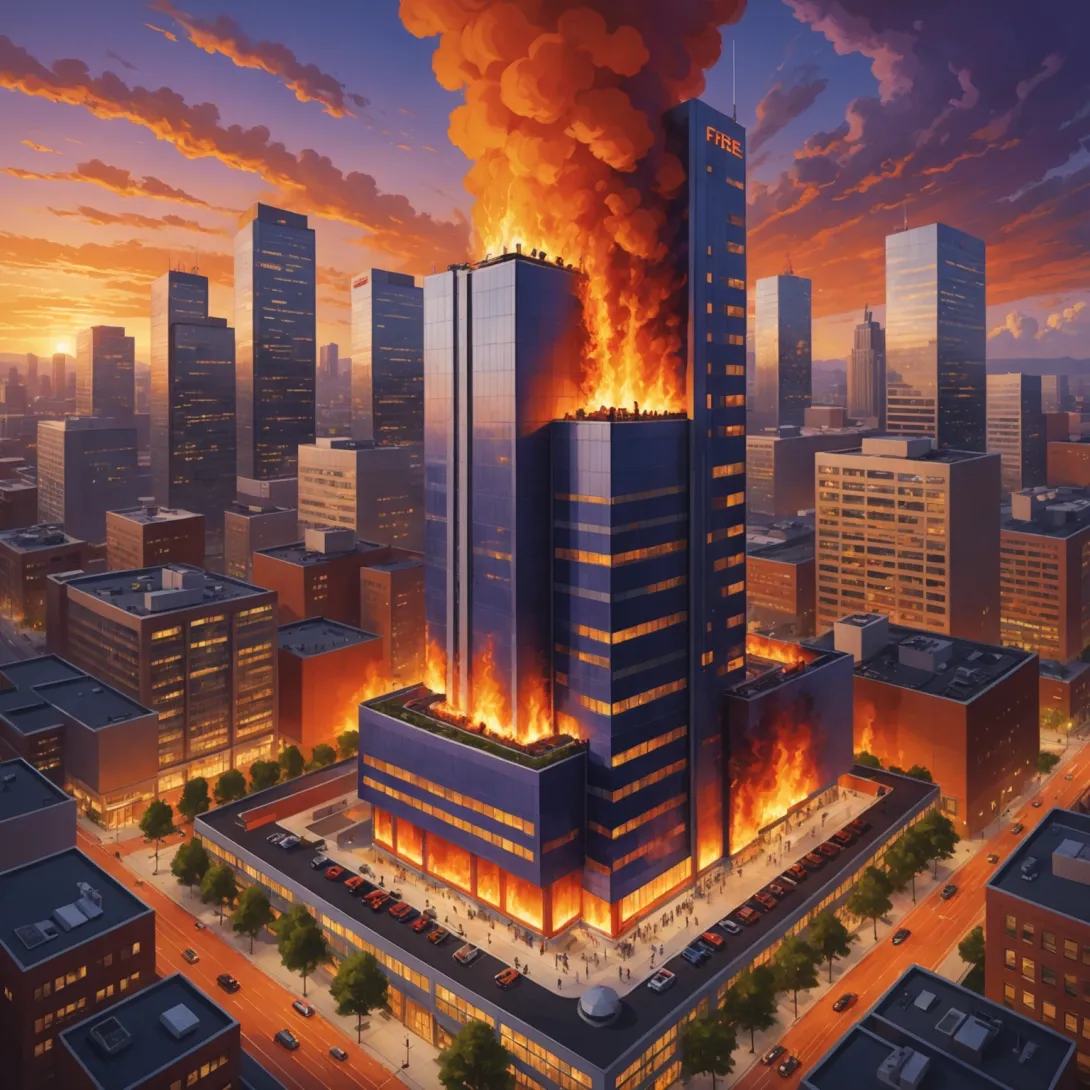
Comprehensive Insights into Fire Safety, Protection, and Security Systems
What is Fire Safety and Why is it Crucial?
Fire safety encompasses all measures and practices designed to prevent fire outbreaks, minimize their impact, and protect lives and property. It is a vital component of building safety protocols worldwide, ensuring environments are equipped to handle the threat of fire effectively.
Understanding fire safety is crucial because fires can cause devastating consequences, including loss of life, extensive property damage, and environmental harm. According to the National Fire Protection Association (NFPA), in the United States alone, there are approximately 1.3 million fires annually, leading to thousands of injuries and billions in property loss. This underscores the need for robust fire safety systems.
What Constitutes Effective Fire Protection?
Fire protection refers to the strategies, technologies, and systems implemented to detect, control, and suppress fires after they have started. It works hand-in-hand with fire prevention efforts to create a comprehensive safety net.
Key components of fire protection include:
- Fire Detection Systems: Smoke detectors, heat sensors, and alarm systems that provide early warning.
- Fire Suppression Systems: Automated sprinklers, gaseous suppression, and foam systems designed to extinguish or control fire spread.
- Fire Extinguishing Equipment: Handheld fire extinguishers appropriate for different fire classes (A, B, C, etc.).
- Compartmentation: Fire-resistant walls and doors that limit fire and smoke movement.
Effective fire protection reduces response times and limits damage, ultimately saving lives and reducing costs related to fire incidents.
How Do Fire Prevention Systems Work?
Fire prevention systems focus on eliminating or mitigating fire hazards before a fire starts. These systems integrate policies, maintenance, and technology to ensure risk factors are minimized:
- Regular Inspections and Maintenance: Ensuring electrical wiring, heating equipment, and other potential ignition sources are safe.
- Fire Safety Training: Educating occupants and staff about fire risks and safe behaviors.
- Use of Fire-Resistant Materials: Construction materials that are less likely to ignite or spread flames.
- Installation of Early Warning Systems: Smoke alarms that alert occupants before fires can escalate.
By proactively addressing potential risks, fire prevention systems serve as the first line of defense in reducing fire incidents.
What Are the Different Types of Fire Extinguishing Methods?
Fire extinguishing involves various techniques and equipment tailored to specific fire types and environments. The most common methods include:
- Water-Based Extinguishers: Effective for Class A fires involving ordinary combustibles like wood and paper.
- Foam Extinguishers: Suitable for Class B fires involving flammable liquids, creating a barrier between fuel and oxygen.
- Dry Chemical Extinguishers: Versatile agents used for Class A, B, and C fires by interrupting chemical reactions.
- Carbon Dioxide (CO₂) Extinguishers: Displaces oxygen and cools the fire, ideal for electrical fires.
- Gaseous Suppression Systems: Used in sensitive environments like data centers, where water damage must be avoided.
Choosing the appropriate fire extinguishing method is critical for safety and effectiveness, and often multiple systems are integrated within fire safety systems.
How Do Security Systems Integrate with Fire Safety?
Modern security systems often integrate fire safety features to provide comprehensive protection. Integration enhances situational awareness and improves emergency response coordination.
Examples of integration include:
- Combined Fire and Intrusion Alarms: Systems that alert to both fire and unauthorized access, ensuring quick action.
- Video Surveillance with Thermal Imaging: Early fire detection through heat signatures in high-risk areas.
- Automated Access Control: Managing safe evacuation routes and restricting access to hazardous zones during fire events.
- Centralized Monitoring: Security operation centers that monitor fire safety systems alongside security alarms for a coordinated response.
Integrating security systems with fire safety enhances overall building safety and ensures faster, more effective emergency management.
What Are Best Practices for Firefighting in Commercial and Residential Settings?
Firefighting involves both immediate response to active fires and long-term strategies to mitigate fire risks. Effective firefighting depends on preparedness, equipment, and training:
- Regular Fire Drills: Preparing occupants for evacuation and safe response.
- Accessible Fire Extinguishers and Hydrants: Strategically located and regularly serviced equipment.
- Firefighter Training and Equipment: Use of personal protective gear, breathing apparatus, and specialized tools.
- Coordination with Local Fire Departments: Clear communication and building plans shared for efficient responses.
For example, a case study of a high-rise office fire demonstrated how integrated fire suppression and security systems enabled quick evacuation and effective firefighting, resulting in zero fatalities and minimal property damage.
How Can Organizations Stay Up-to-Date with Evolving Fire Safety Standards?
Fire safety standards and regulations evolve to reflect new technologies and lessons learned from past incidents. Organizations must stay informed to ensure compliance and protection:
- Subscribe to updates from authoritative bodies like NFPA, International Code Council (ICC), and local fire authorities.
- Engage professional fire safety consultants for regular audits and risk assessments.
- Invest in training programs for staff and emergency responders.
- Upgrade fire safety systems regularly to incorporate the latest fire suppression and detection technologies.
By maintaining awareness and proactively adapting, organizations can significantly reduce fire-related risks and liabilities.